Formazione avanzata per gestire e valorizzare produzioni cinematografiche,
televisive e audiovisive, coniugando creatività e competenze manageriali
"Elementary Principles of Chemical Processes" by Felder, Rousseau, and Bullard is widely considered the for introductory chemical engineering. The Good:
The examples aren't just abstract math; they use real-world industrial scenarios (like fermentation or combustion) that make the "why" very clear. Elementary Principles of Chemical Processes [So...
The "Test Yourself" sections and end-of-chapter problems are excellent for building muscle memory for unit conversions and degrees-of-freedom analysis. The Not-So-Good: The Not-So-Good: It breaks down complex concepts like
It breaks down complex concepts like material and energy balances into logical, bite-sized steps. If you master this, the rest of your
If your algebra or basic chemistry is shaky, the middle chapters can feel overwhelming.
It is the essential "rite of passage" book for any ChemE student. If you master this, the rest of your degree becomes significantly easier.
It’s a dense technical manual, so don't expect a light read.
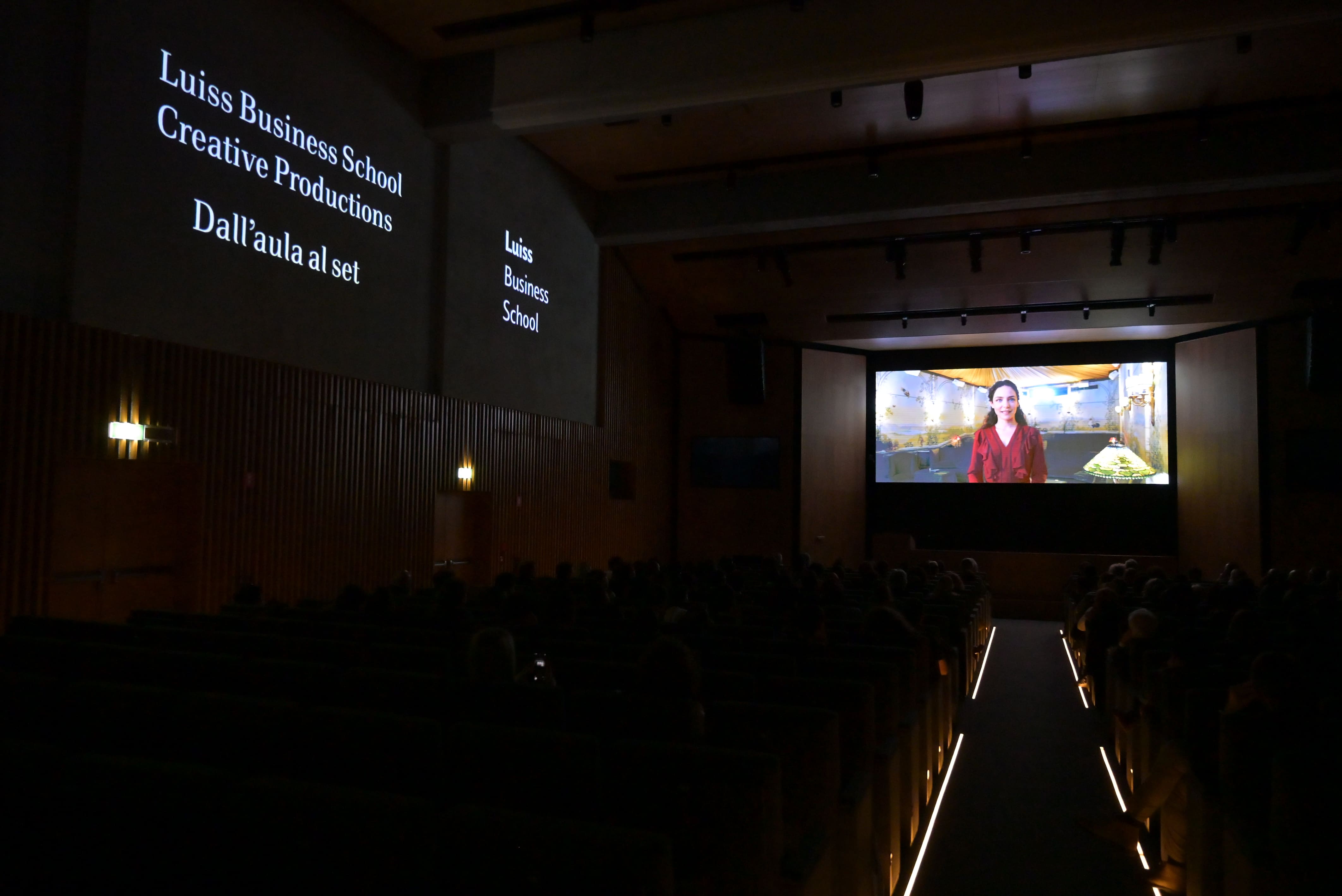
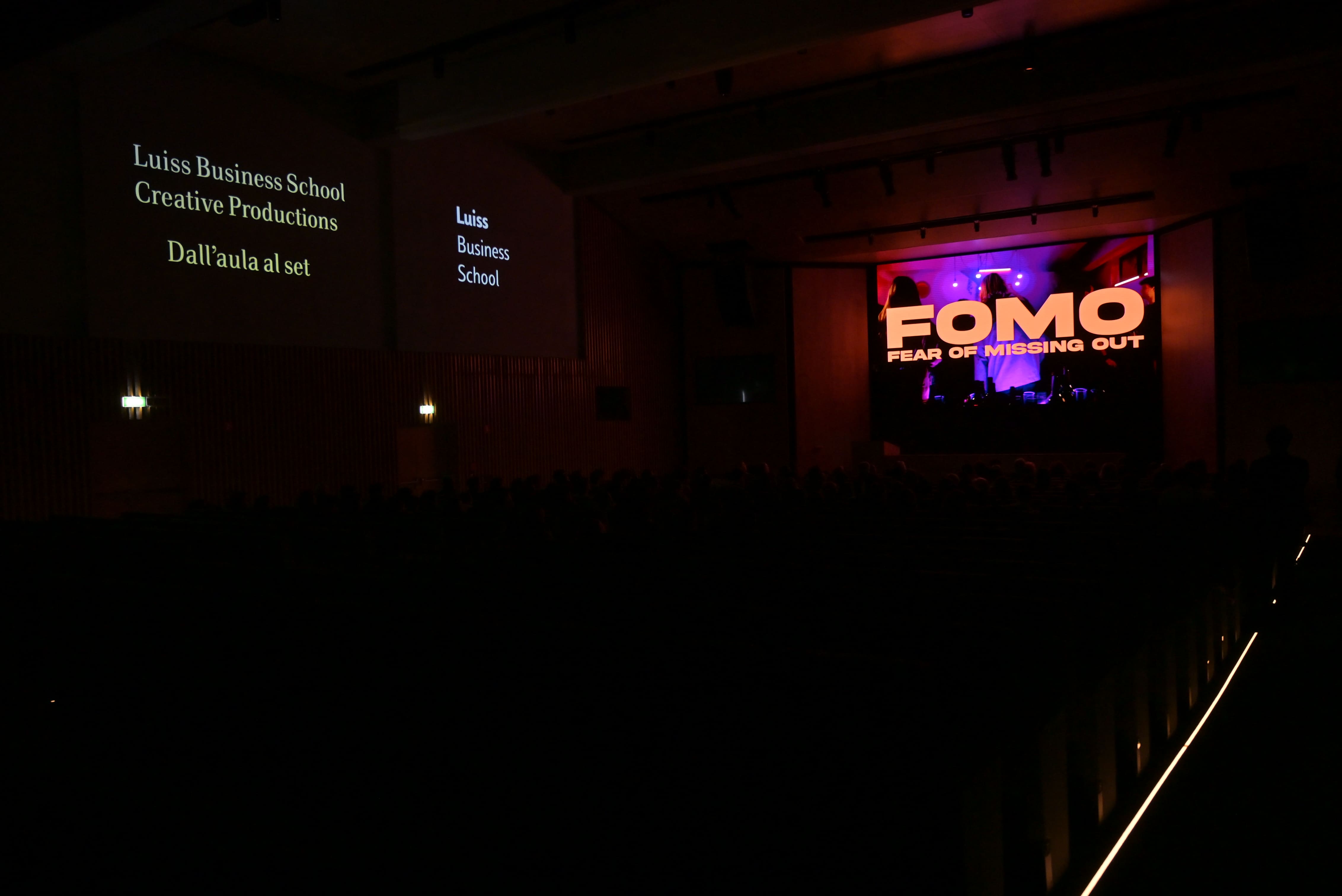
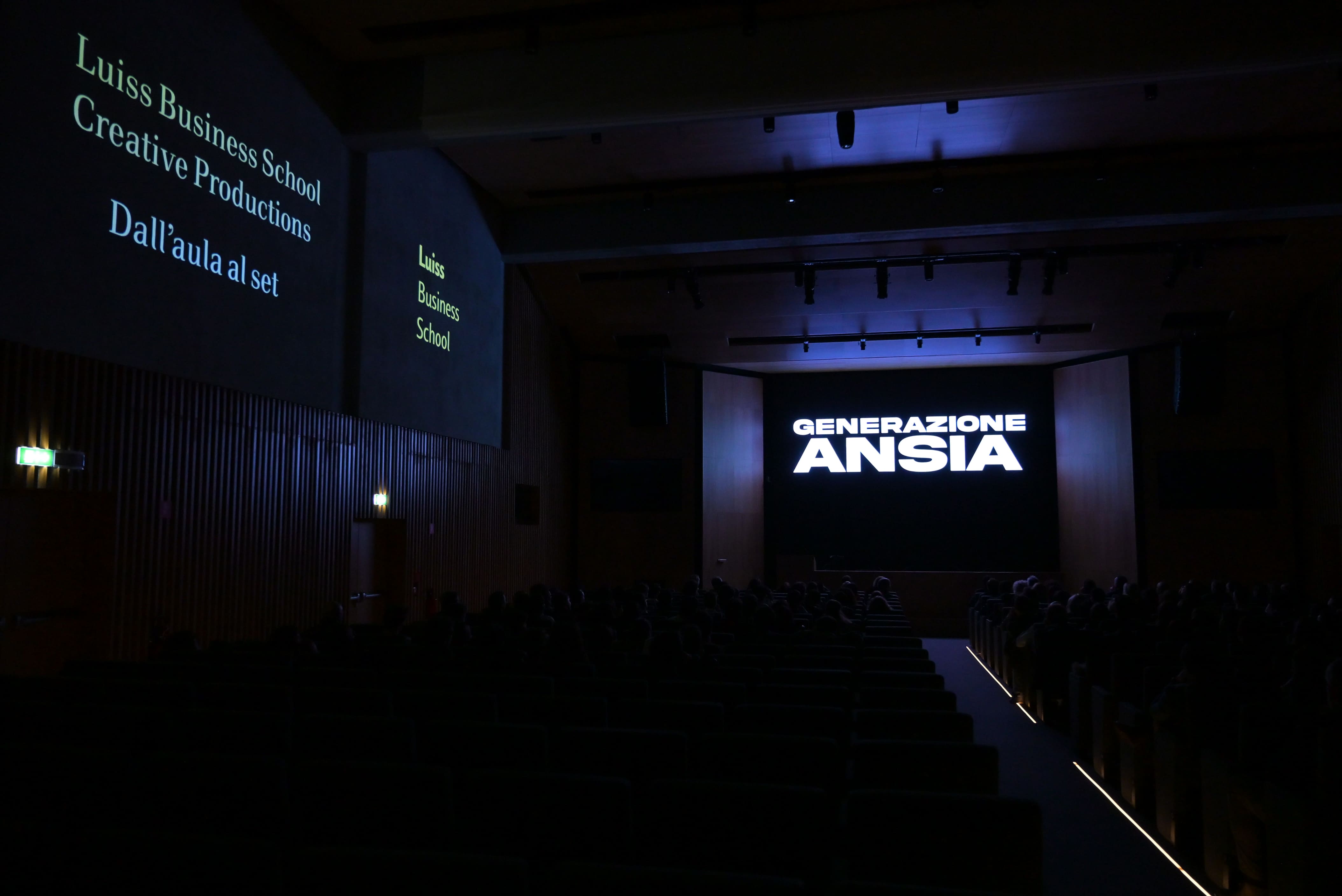
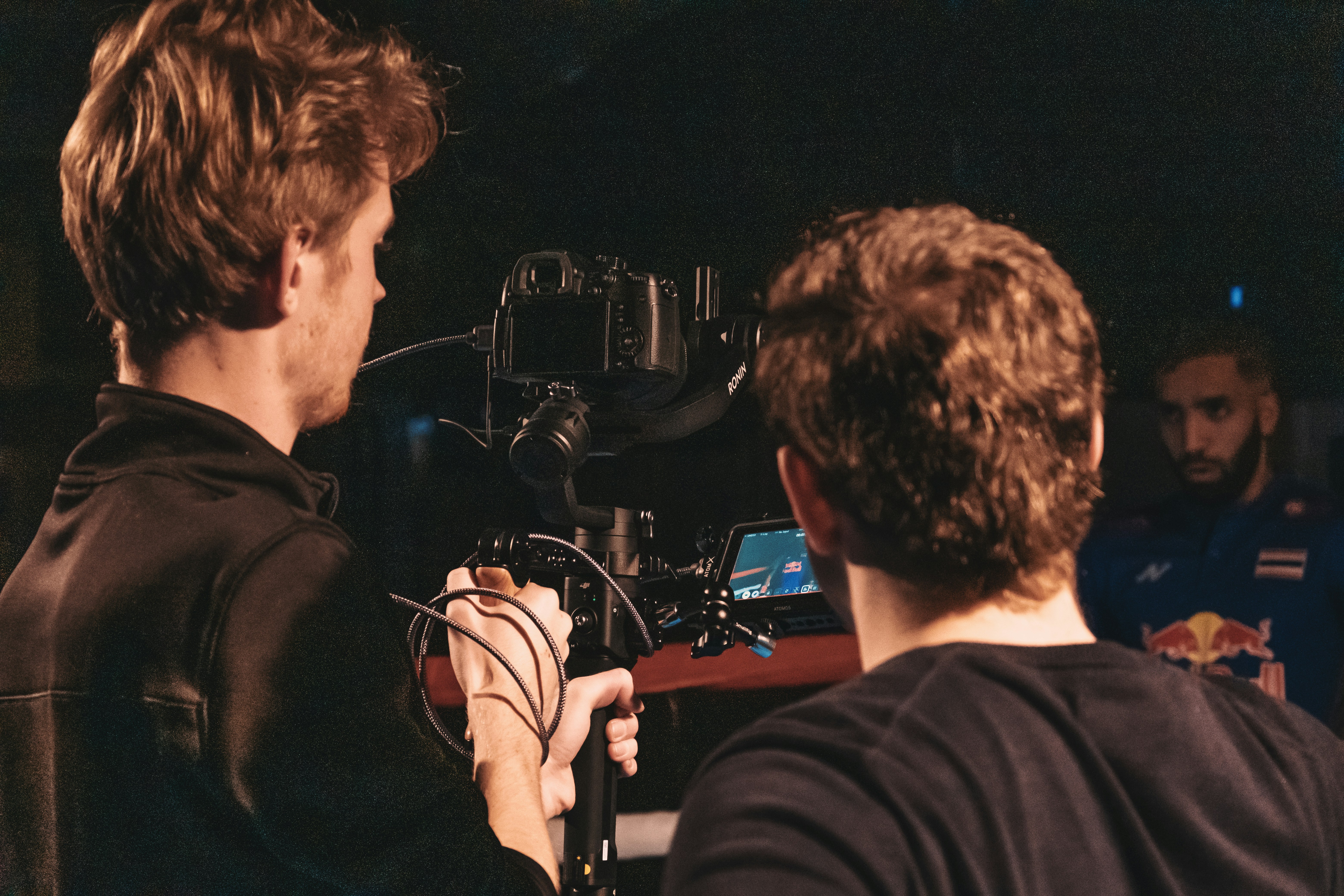
Al termine del Master, gli studenti presentano i propri concept per il pilot di una serie TV. Il progetto selezionato viene poi realizzato dagli allievi, in tutte le fasi editoriali, produttive e di post-produzione, con la supervisione di professionisti del settore e con il supporto
di una giuria di esperti che guida e valorizza lo sviluppo creativo.
Con un placement rate del 100%, una faculty di caratura internazionale e la solidità di un network di partnership aziendali, la formazione full-time Luiss Business School ha l’obiettivo di trasmettere competenze avanzate e immediatamente applicabili, agevolando l’upskilling e accelerando la crescita professionale e personale di giovani professionisti e neolaureati.
Scrivici per prenotare una sessione di orientamento
e scopri il percorso più adatto alle tue ambizioni!
© Luiss Business School Spa “a socio unico” n. iscr. Registro Imprese Roma / p.iva /c.f. 16656061005, capitale sociale i.v. 30.000.000,00 euro.
Villa Blanc, Via Nomentana, 216 - 00162 Roma | Tel. +39 06 85 22 51 | Email: luissbs@luissbusinessschool.it | Informativa sul trattamento dei dati di navigazione | Cookie policy
"Elementary Principles of Chemical Processes" by Felder, Rousseau, and Bullard is widely considered the for introductory chemical engineering. The Good:
The examples aren't just abstract math; they use real-world industrial scenarios (like fermentation or combustion) that make the "why" very clear.
The "Test Yourself" sections and end-of-chapter problems are excellent for building muscle memory for unit conversions and degrees-of-freedom analysis. The Not-So-Good:
It breaks down complex concepts like material and energy balances into logical, bite-sized steps.
If your algebra or basic chemistry is shaky, the middle chapters can feel overwhelming.
It is the essential "rite of passage" book for any ChemE student. If you master this, the rest of your degree becomes significantly easier.
It’s a dense technical manual, so don't expect a light read.