
Advanced spell checking
Expert proofreading
Accurate translation
Instant in-place ChatGPT answers

Works with these apps and many others








GPT Tools lets you spellcheck text inside any program that doesn't support spellchecking. With the power of GPT Tools, you can spellcheck any of the 76 languages supported by ChatGPT.

Write text as well as you can, and then the tool will elevate it to the fluency of a native speaker. Utilize the mighty potential of ChatGPT, which has currently mastered an impressive 76 languages.
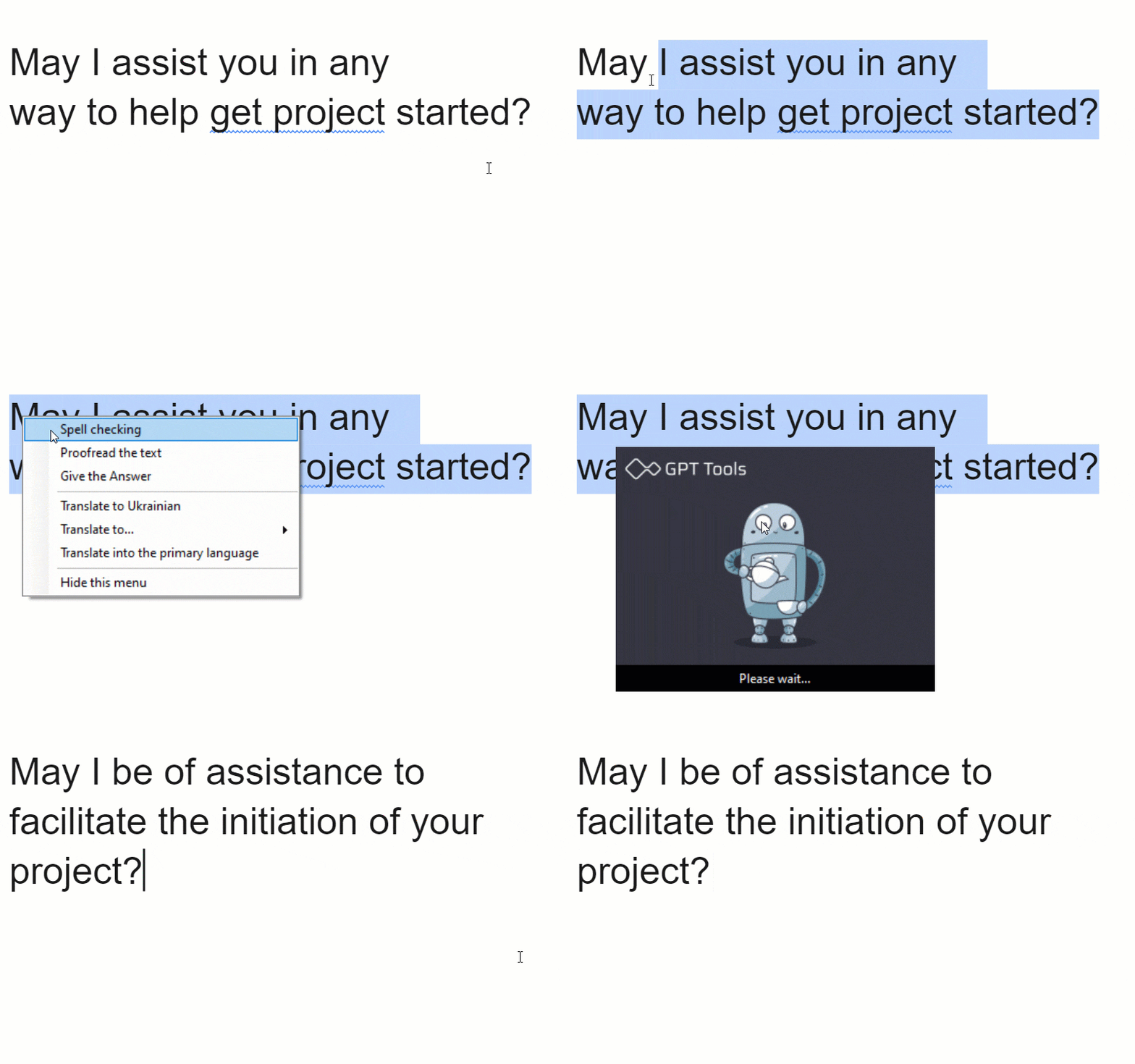
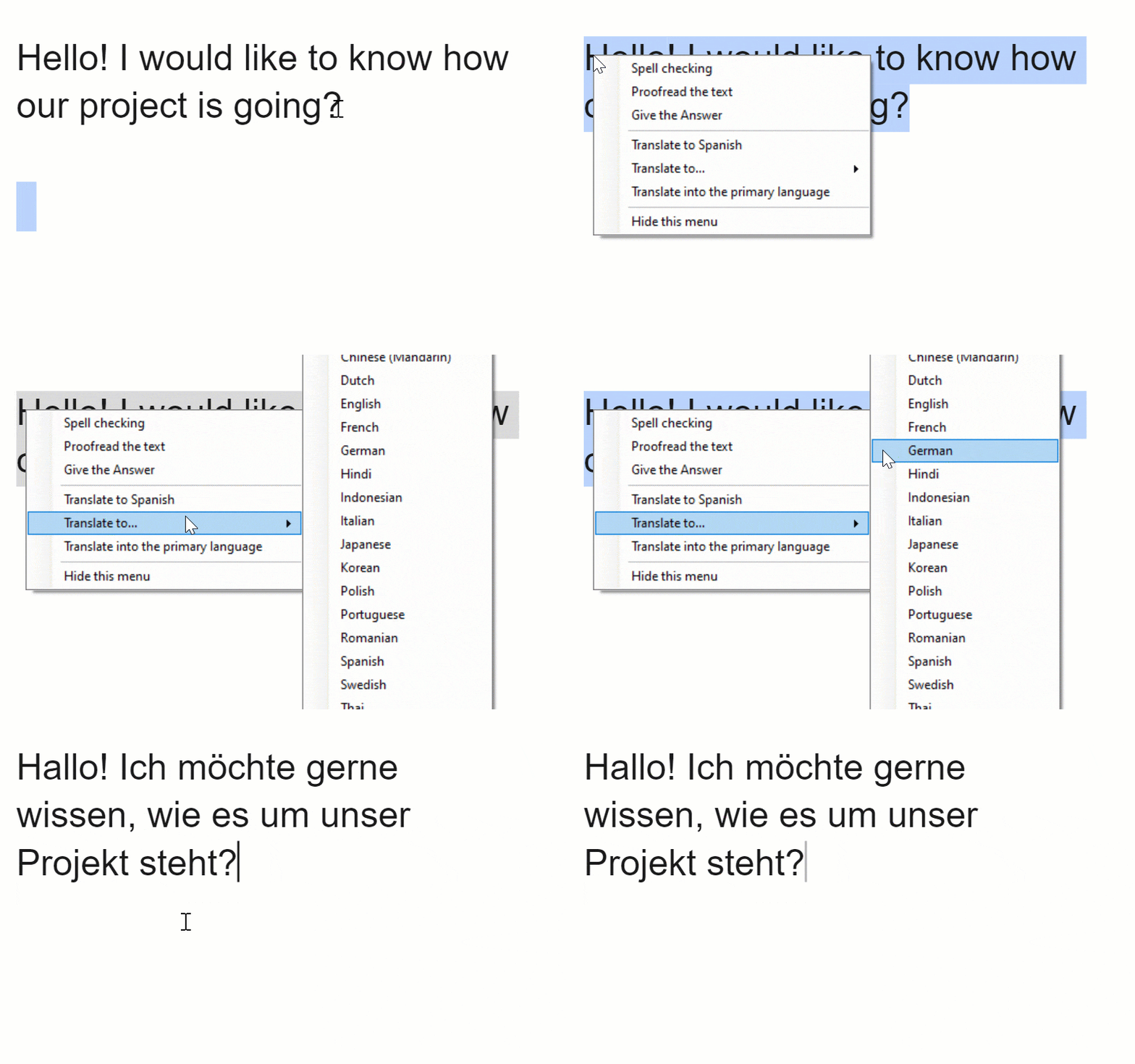
Your text gets translated in a few seconds right where you wrote it, for example, in a chat or a document.
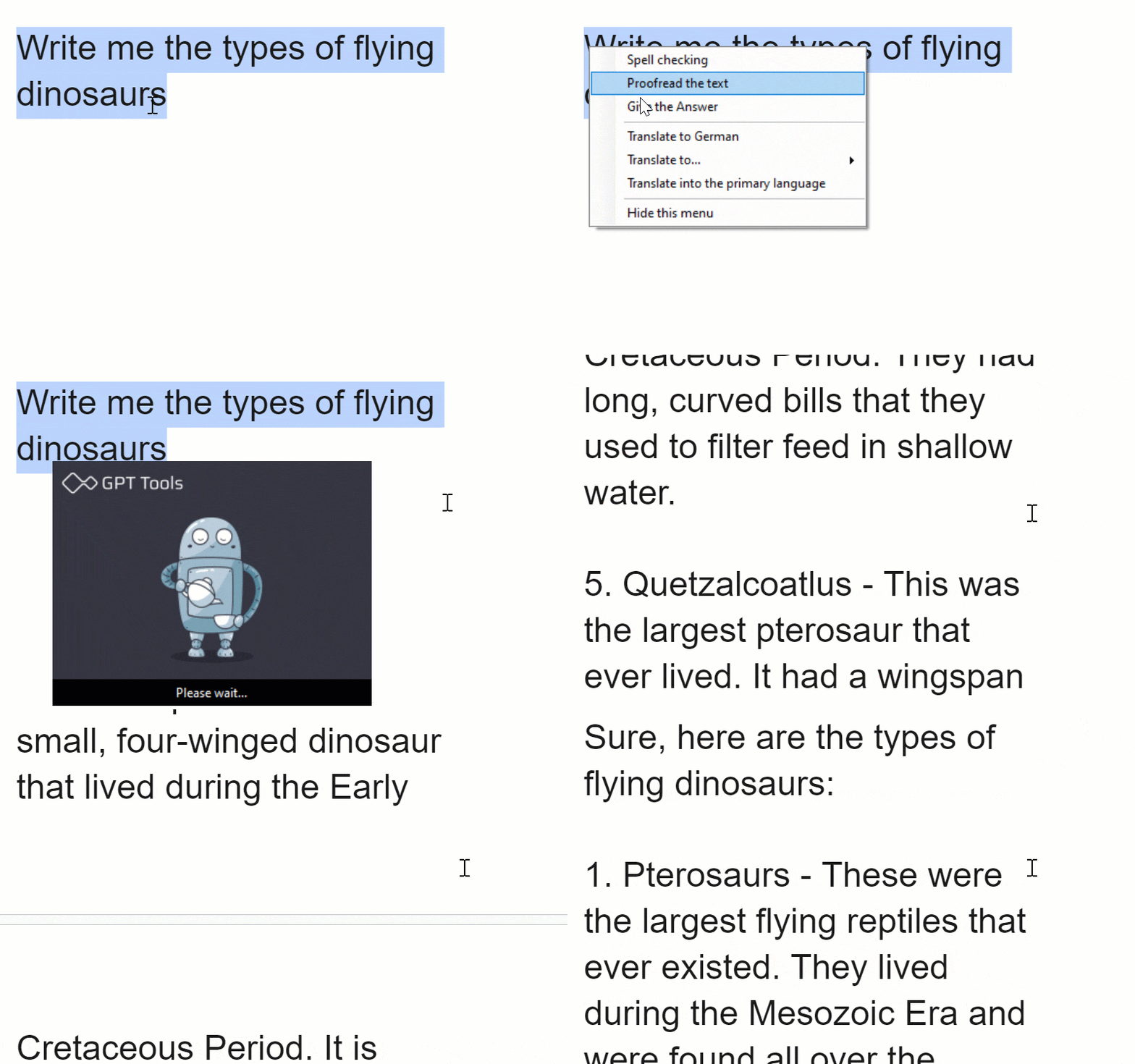
Just type your question anywhere, and GPT Tools will replace your question with the answer from ChatGPT.
Beyond Hemê Hacî’s original version, the song has seen numerous reinterpretations:
: You can find the full track on Spotify or watch the music video on YouTube .
: Newer versions, including Kurdish Folk Trap remixes and acoustic covers by artists like Sê Bırâ and Adem Tepe , have kept the song relevant for younger generations. HemГЄ HacГ® Pore Delala Min
: The lyrics mention "Porê delala min sor e" (My beloved’s hair is red) and "Porê hevala min sor e" (My friend's hair is red). These phrases often allude to the henna applied to a bride's hair or hands during pre-wedding ceremonies.
: It is categorized as Kurdish Folk-Pop . Listeners describe it as having high "melodicness"—meaning it has a clear, memorable tune—and high "danceability," which explains its popularity in social settings like govend (Kurdish folk dance). Cultural Impact and Modern Use Beyond Hemê Hacî’s original version, the song has
"" (often spelled "Pore Delalamın Sore") is a celebrated Kurdish folk-pop song performed by the artist Hemê Hacî . First released in November 1997 as part of the album Strana Hekîme Serhedê , the track has become a staple of Kurdish cultural music, frequently played at weddings and festive gatherings. Core Themes and Lyrics
The song’s title translates to "My Beloved’s Hair is Red," referencing traditional henna and bridal customs. These phrases often allude to the henna applied
: It is widely used for "gelin çıkarma" (the tradition of the bride leaving her father's home) and other henna-related rituals.