Other_girls ❲AUTHENTIC × Walkthrough❳
Open source sidescan sonar data processing software for underwater surveying, imaging and scientific applications.

Open source sidescan sonar data processing software for underwater surveying, imaging and scientific applications.
About
Open Sidescan is a powerful data processing software suite to easily view and manipulate sidescan sonar imagery files, investigate seabed features or underwater infrastructures, create underwater inventories, and much more. other_girls
Accessible sidescan sonar data processing tools to bring down barriers to marine knowledge. The phrase (often abbreviated as NLOG ) has
Built with input from the entire community in the spirit of improving the state of the Art. While it often stems from a genuine desire
The phrase (often abbreviated as NLOG ) has evolved from a common trope in teen fiction and media into a widely discussed cultural phenomenon. At its core, the concept describes a woman or girl who distances herself from traditional femininity and stereotypical female interests in order to position herself as unique, superior, or more authentic.
Critics point out that "Not Like Other Girls" behavior is often performative, aimed at gaining validation from men (the "cool girl" archetype) by proving they are not "high maintenance" or dramatic like the rest of their gender.
While it often stems from a genuine desire to express individuality in a world heavily dictated by rigid gender roles, it has become heavily criticized by modern feminist discourse for harboring internalized misogyny and pitting women against one another. 🎭 The Anatomy of the Trope
In literature, film, and television, the "Not Like Other Girls" character is highly recognizable. She serves as the protagonist who is contrasted sharply against secondary female characters.
Screenshots
Shipwreck of the Scotsman

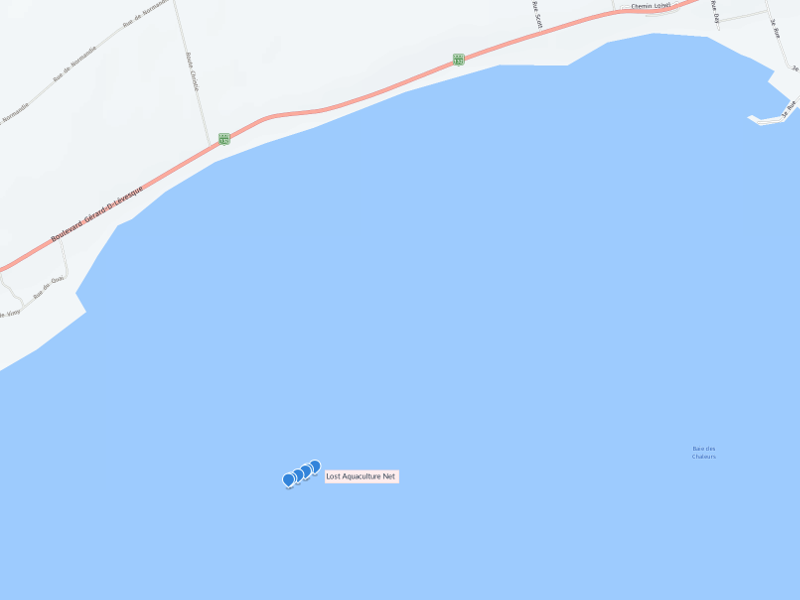
Abandoned aquaculture gear

KML map of abandoned gear
Boilers from the SS Germanicus

Bridge footing

Sunken rowboat

Price
The phrase (often abbreviated as NLOG ) has evolved from a common trope in teen fiction and media into a widely discussed cultural phenomenon. At its core, the concept describes a woman or girl who distances herself from traditional femininity and stereotypical female interests in order to position herself as unique, superior, or more authentic.
Critics point out that "Not Like Other Girls" behavior is often performative, aimed at gaining validation from men (the "cool girl" archetype) by proving they are not "high maintenance" or dramatic like the rest of their gender.
While it often stems from a genuine desire to express individuality in a world heavily dictated by rigid gender roles, it has become heavily criticized by modern feminist discourse for harboring internalized misogyny and pitting women against one another. 🎭 The Anatomy of the Trope
In literature, film, and television, the "Not Like Other Girls" character is highly recognizable. She serves as the protagonist who is contrasted sharply against secondary female characters.